At Roland Black Plumbing, we answer hundreds of plumbing questions every month from homeowners throughout Gastonia, Charlotte, Belmont, Mount Holly, Denver, Huntersville, Cornelius, Hickory, Rock Hill, Fort Mill, Matthews, Weddington, Marvin, and surrounding communities.
Some questions come up repeatedly because they’re tied to the most common plumbing problems homeowners face. In many cases, what seems like a small inconvenience today can turn into a costly plumbing repair tomorrow.
This week’s most frequently asked plumbing questions focused on running toilets, clogged drains, sewer odors, water heater maintenance, and plumbing emergencies.
Let’s dive in.
Why Does My Toilet Keep Running After I Flush?
A running toilet may seem like a minor annoyance, but it can waste hundreds of gallons of water each week and significantly increase your utility bill.
Most running toilets are caused by one of several common issues:
- Worn toilet flapper
- Faulty fill valve
- Improper chain adjustment
- Cracked overflow tube
- Mineral buildup inside tank components
The toilet flapper is often the culprit. Over time, the rubber deteriorates and fails to create a proper seal. Water continuously leaks from the tank into the bowl, causing the fill valve to repeatedly activate.
Signs Your Toilet Is Running
- You hear water flowing long after flushing
- The tank periodically refills by itself
- Your water bill increases unexpectedly
- You notice rippling water inside the bowl
Can I Fix It Myself?
In many cases, replacing a flapper or fill valve is a straightforward repair. However, if the toilet continues running after replacing these components, professional diagnosis may be necessary.
Can I Put Drano Down My Drain?
This question generated a surprising amount of discussion this week.
The short answer?
Occasionally, maybe. Regularly, absolutely not.
Chemical drain cleaners such as Drano work by creating a chemical reaction that generates heat and breaks down organic matter. While this may temporarily open a clog, it often creates other problems.
Why Drain Cleaners Can Cause Problems
- Can damage older pipes
- May weaken PVC joints
- Creates hazards for plumbers performing repairs
- Often fails to remove the entire blockage
- Can worsen grease-related clogs
One of the biggest misconceptions homeowners have is that a drain cleaner “fixed” the clog. In reality, it often creates a small opening through the blockage while leaving much of the obstruction behind.
Better Alternatives
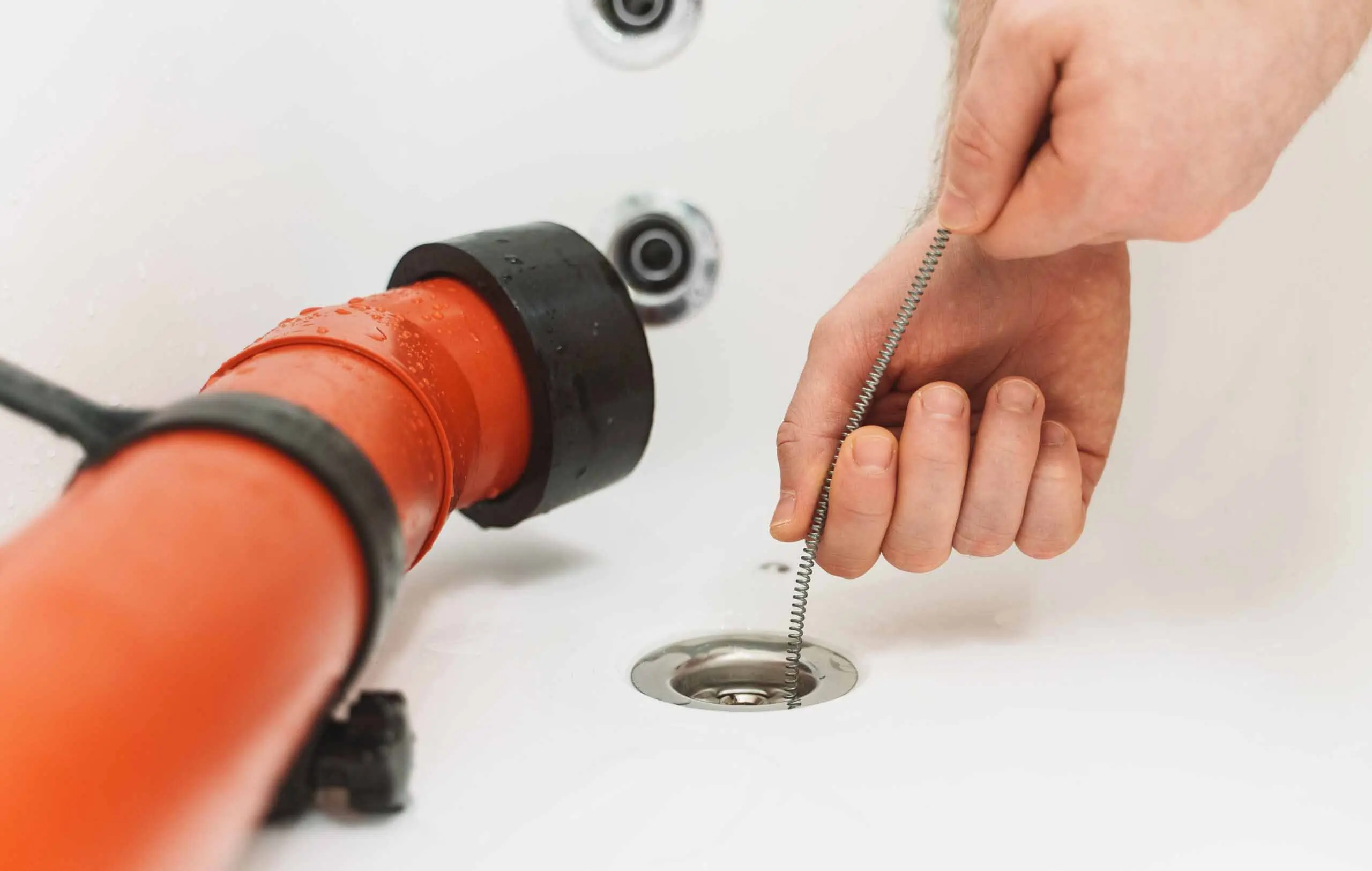
- Sink plungers
- Drain snakes
- Professional drain cleaning
- Camera inspections
- Hydro jetting for severe blockages
If your drain keeps clogging, the issue likely extends beyond what any chemical cleaner can solve.
Why Does My Sink Smell Like Sewage?
Nothing gets a homeowner’s attention faster than a foul odor coming from a sink drain.
The good news is that the problem is often relatively simple.
Common Causes of Sewer Smells
Dry P-Traps
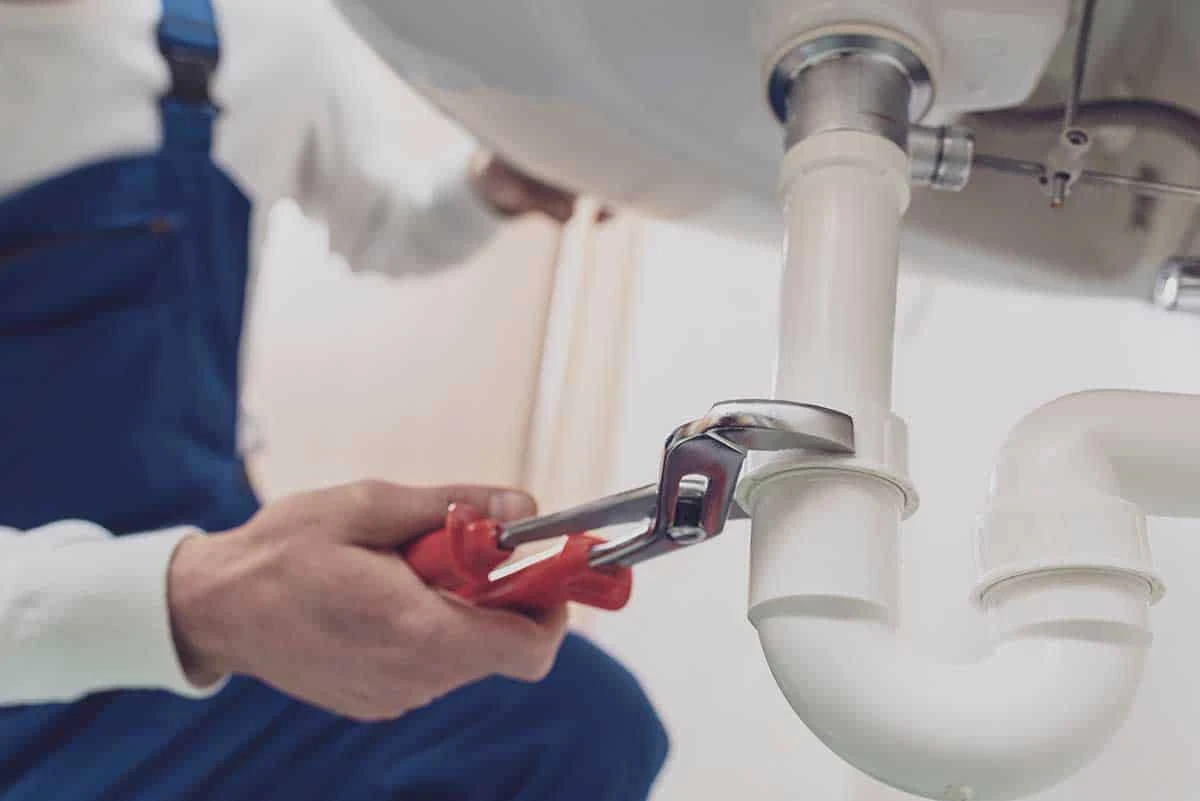
Every sink has a curved section of pipe called a P-trap. This trap holds water that prevents sewer gases from entering your home. If a sink isn’t used frequently, the water can evaporate, allowing odors to escape.
Biofilm Buildup
Bathroom sinks commonly develop a slimy buildup of soap residue, toothpaste, hair products, and bacteria. This organic material can create strong odors.
Ventilation Problems
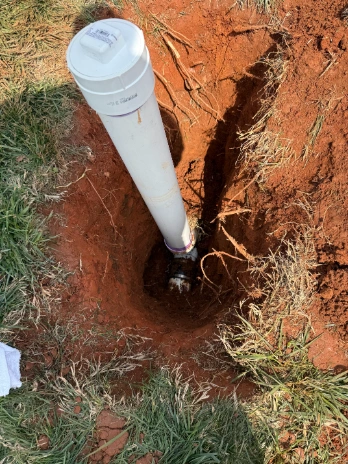
Plumbing vent pipes help regulate pressure and safely release sewer gases. When vents become blocked by debris, leaves, nests, or other obstructions, unpleasant odors can enter living spaces.
Sewer Line Issues
Persistent odors throughout the home may indicate a damaged sewer line or larger drainage issue.
When Should You Call a Plumber?
If cleaning the drain and filling the P-trap doesn’t eliminate the odor within a day or two, it’s worth having the plumbing system inspected.
How Often Should I Flush My Water Heater?
Water heater maintenance remains one of the most overlooked aspects of home ownership.
Many homeowners don’t realize that sediment naturally accumulates inside tank-style water heaters. Over time, minerals from the water supply settle to the bottom of the tank and create a layer of buildup.
Problems Sediment Can Cause
- Reduced efficiency
- Higher energy bills
- Less available hot water
- Strange popping noises
- Premature tank failure
Recommended Maintenance Schedule
Most manufacturers recommend flushing a tank water heater once per year. Homes with particularly hard water may benefit from more frequent flushing.
Signs Your Water Heater Needs Flushing
- Rumbling or popping sounds
- Reduced hot water supply
- Higher utility bills
- Water takes longer to heat
- Water heater over five years old with no maintenance history
Routine maintenance can significantly extend equipment life and improve efficiency. For many homeowners, a simple annual flush can prevent the need for premature replacement.
What Is Considered a Plumbing Emergency?
One of the most common questions we receive after hours is:
“Is this actually an emergency?”
The answer depends on the risk to your home, safety, and property.
Plumbing Emergencies Include:
Burst Pipes
Water damage begins immediately when a pipe bursts. The longer water flows, the more extensive the damage becomes.
Sewer Backups
Raw sewage entering a home presents serious health concerns and requires immediate attention.
No Water Service
Complete loss of water can indicate significant plumbing system issues.
Major Water Leaks
Leaks that threaten walls, flooring, ceilings, or electrical systems should be addressed immediately.
Water Heater Failures
A leaking water heater can quickly flood an area and cause extensive property damage.
Situations That May Not Require Emergency Service
- Slow drains
- Dripping faucets
- Minor toilet issues
- Small fixture leaks that can be isolated
How Homeowners Can Prevent Most Plumbing Emergencies
The majority of plumbing emergencies don’t happen overnight. Most begin with small warning signs that are ignored.
Watch for:
- Increasing water bills
- Slow drains
- Strange odors
- Running toilets
- Reduced water pressure
- Water heater performance changes
Addressing these issues early is almost always less expensive than waiting for a complete system failure.
Final Thoughts
The most common plumbing questions are often tied to the most common plumbing repairs.
A running toilet, recurring drain clog, sewer odor, neglected water heater, or small leak may seem insignificant today, but each can evolve into a much larger problem if left unresolved.
At Roland Black Plumbing, we’ve been helping local homeowners solve plumbing problems since 1973. Whether you need drain cleaning, water heater service, sewer line repair, fixture replacement, or emergency plumbing service, our team is here to help.
Need Plumbing Service?
Roland Black Plumbing proudly serves homeowners throughout Gastonia, Charlotte, Belmont, Mount Holly, Cramerton, Dallas, Stanley, Denver, Cornelius, Huntersville, Hickory, Rock Hill, Fort Mill, Matthews, Weddington, Marvin, and surrounding communities.
For fast, professional plumbing service, contact our team today.