That strange pause before the burners catch, the loud clunk when the blower kicks on, or a thermostat that never quite hits the target: these are clear signs your furnace is struggling as winter approaches in the Carolinas.
These signs also bring up a key choice. Pay for another repair, or invest in a new system?
At Roland Black, we’ve helped answer that question for Gaston County families since 1973. And here’s what we tell every one of them: not every furnace problem needs a new furnace.
Sometimes a furnace repair is the smart, affordable call. Sometimes it’s money spent keeping a 20-year-old system on life support. The trick is knowing which situation you’re in before the first hard freeze. And that’s where we can help.
Weighing furnace repair vs. replacement in Gastonia, NC? This guide breaks down our technicians’ key criteria: a simple cost formula, critical warning signs, and whether a heat pump fits your home.

The “50% Rule” and Average Furnace Lifespan
Most gas furnaces last 15 to 20 years. Milder winters in North Carolina can stretch that lifespan, but age inevitably catches up; making parts harder to find and repairs more frequent.
That’s where the 50% rule comes in. It’s simple: if a repair costs half or more of what a new system would cost, replacement is usually the better investment. When applied, this rule means that spending $1,800 to fix a 17-year-old furnace that will need another major repair next winter isn’t saving money. It’s postponing a bigger bill.
Our technicians also use a second, quicker rule to determine if you need furnace repair vs. replacement: They multiply your furnace’s age by the repair cost. If the number lands above $5,000, replacing your furnace is almost always the smarter move.
Here’s a sample of the formula in action:
- A 6-year-old furnace with a $400 igniter repair: 6 × $400 = $2,400. Repair it.
- A 16-year-old furnace with a $650 blower motor repair: 16 × $650 = $10,400. Time to start pricing a replacement.
Don’t Forget the Payback on Your Furnace’s Efficiency
While the 50% rule evaluates upfront repair costs, ongoing efficiency determines long-term operating expenses. Older furnaces typically operate around 80% AFUE (Annual Fuel Utilization Efficiency), or even lower; meaning a significant portion of energy is wasted. Upgrading to a modern high-efficiency model reaching 95% AFUE or higher ensures more of your fuel directly heats your home.
Here’s what that looks like in real dollars. Say you spend $1,200 a year heating your home with an 80% AFUE furnace. A 96% AFUE unit would heat the same home for roughly $1,000, saving about $200 every winter. Over a new system’s 15-to-20-year life, that adds up to $3,000 or more back in your pocket, and that’s before you count the repair bills you’re no longer paying.
When you’re ready to see what a new system would cost for your home, our team provides written, upfront pricing and financing options for every furnace install. The U.S. Department of Energy’s guide to furnaces and home heating systems is also a great resource for understanding efficiency ratings.
5 Signs It’s Time to Replace Your Furnace
By the time a furnace breaks down unexpectedly on a freezing night, it has usually been dropping subtle hints for months. Drawing on over 50 years of experience serving Gaston County homes, we’ve identified the key warning signs that signal it’s time to consider a replacement rather than another temporary fix:
1. Your Heating Bills Keep Climbing
If your gas or electric bill creeps higher every winter, even with regular maintenance and no change in use, your furnace is losing efficiency.
2. Short Cycling or Uneven Temperatures
A furnace that turns on and off every few minutes, or leaves the upstairs freezing while the living room feels like summer, is working harder than it should. Sometimes this is due to a fixable issue like a dirty flame sensor or a thermostat problem. On an older system, though, it often means the furnace can no longer keep up with your home’s demand.
3. Banging, Rattling, or Squealing Noises
You shouldn’t hear your furnace from across the house. When it starts banging, rattling, or squealing, there’s something wrong. On a newer system, sounds like these usually mean it’s time for a repair. On one that’s 15 years old or older, however, it’s often the first sign of a bigger problem that may end in a repair.
4. A Yellow Burner Flame Instead of a Crisp Blue One
Take a look at your burners when the furnace is running. A clean, steady blue flame means fuel is burning properly. A yellow or flickering flame signals incomplete combustion, which produces carbon monoxide: an odorless, colorless gas that poses a severe health and safety risk to your household. If you see a yellow flame, don’t wait to take action. Leave the area and call for professional service right away.
5. A Cracked Heat Exchanger
A diagnosis of a cracked heat exchanger almost always ends in replacement. The heat exchanger keeps combustion gases separate from the air you breathe, so a crack is a true safety risk. Repairing one is often as expensive as a new furnace, and on an older unit, it simply isn’t worth it. That’s exactly why our technicians run a full combustion and carbon monoxide check before recommending any repair.
Heat Pumps vs. Traditional Furnaces in the Piedmont Region
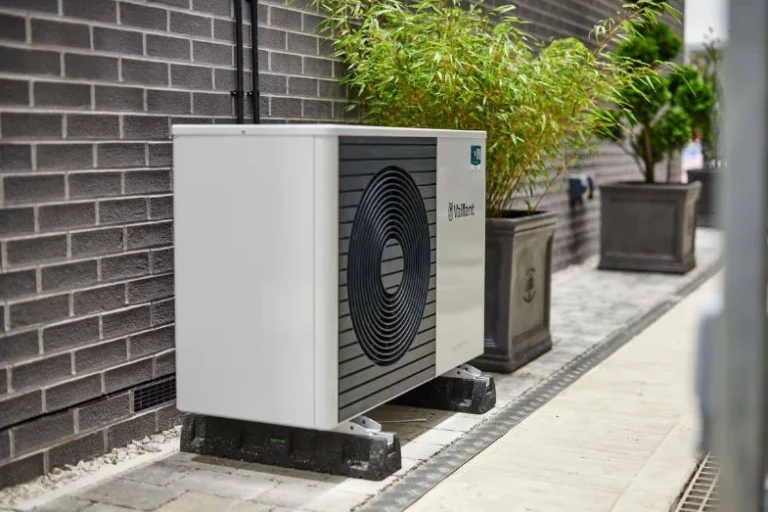
If you’re deciding whether to replace your furnace, it’s worth considering if a traditional gas system is even the best fit for your home. Milder winters across Gaston, Lincoln, York, and Mecklenburg Counties mean temperatures rarely stay below freezing for long, making our regional climate an ideal match for heat pumps.
Instead of burning fuel, heat pumps transfer heat efficiently during winter and reverse operation to cool your home all summer, offering a convenient, year-round solution.
Here’s how the three primary heating setups compare for our area:
| System | How It Heats | Best Fit For |
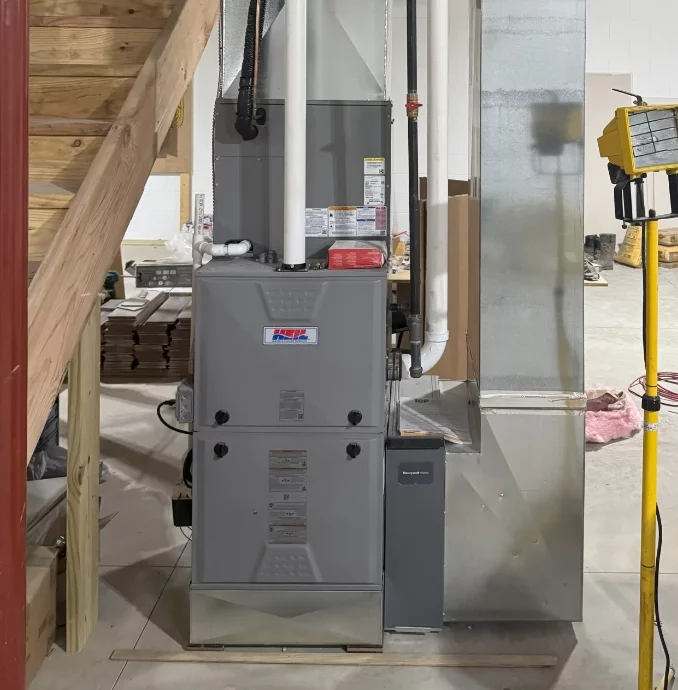
| Gas furnace | Burns natural gas or propane for strong, fast heat | Homes with existing gas lines and owners who want powerful heat on the coldest nights |
| Heat pump | Moves heat from outdoor air; also provides cooling | All-electric homes and homeowners who want one efficient system for heating and cooling |
| Dual-fuel system | Heat pump handles mild days; gas furnace takes over when temps drop near freezing | Homeowners who want heat pump savings most of the winter with gas backup for cold snaps |
Have a heat pump that’s acting up? Our team handles heat pump repair the same way we handle furnaces, with a full diagnostic before we quote you. If you’re considering switching to a heat pump, we can walk you through a heat pump installation; and help you compare costs side by side with a new furnace.
Frequently Asked Questions
How long does a furnace usually last in North Carolina?
Most gas furnaces in North Carolina last 15 to 20 years. Our milder winters put less strain on equipment than up north, so a well-maintained system can reach the upper end of that range. Annual maintenance, regular filter changes, and prompt repairs all make a difference in how long your system lasts.
Is it worth replacing a 15-year-old furnace before it breaks completely?
Often, yes. Replacing your unit before it fails means you can compare options, take advantage of financing, and avoid paying for an emergency install on the coldest night of the year. If your 15-year-old furnace needs a major repair, run the age × repair cost formula. Anything over $5,000 points toward replacement.
How long does a new furnace installation take?
Most furnace replacements are completed in a single day, usually within 4 to 8 hours. Installs that involve new ductwork, a switch to a heat pump, or a dual-fuel setup can take a little longer. We’ll give you a clear timeline before any work begins.
Furnace Repair vs. Replacement: Let’s Figure It Out Together
Roland Black has kept Gaston County warm for more than 50 years, and our NATE-certified technicians will give you a straight answer on whether your furnace is worth fixing.
When you call us, you get:
- Free estimates on furnace and heating system replacements
- 10-year warranty coverage on new equipment
- Same-day service for urgent repairs, with 24/7 emergency dispatch
- Written, upfront pricing and financing options for bigger projects
Whether you need a quick repair or you’re ready for a full heating installation service, we’re here to help you stay warm all winter long. Call us at (980) 206-3523 or schedule your estimate online today.